
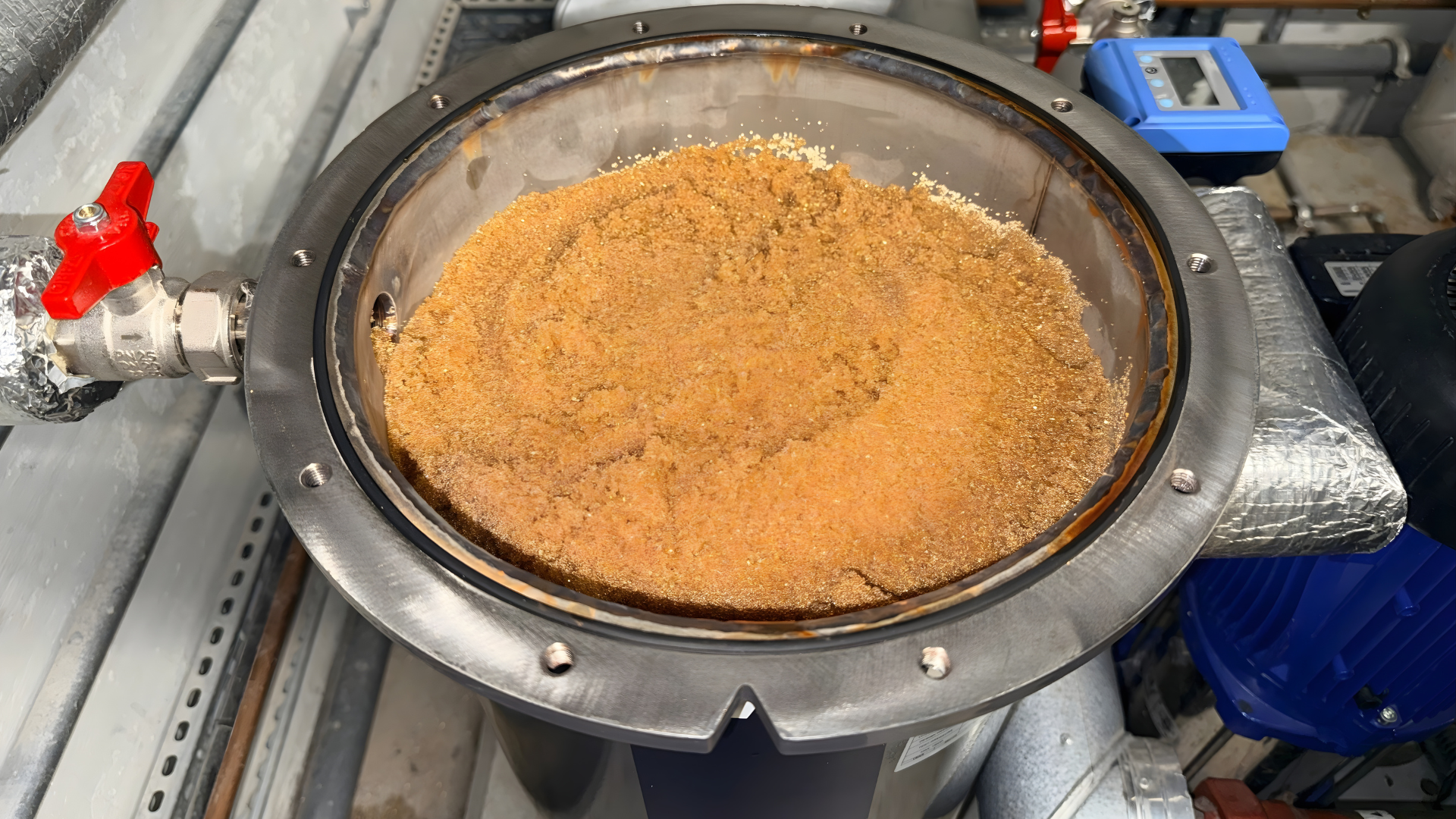
How do VDI 2035 and TM20 relate to IWTM and chemical-free water treatment (CFWT)?
How do VDI 2035 and TM20 relate to IWTM and chemical-free water treatment (CFWT)?
VDI 2035, Part 1 is the primary standard behind the push to non-chemical (chemical-free) water treatment.
VDI (Verein Deutscher Ingenieure or Association of German Engineers) is the largest engineering association in Europe (150,000+ engineers and natural scientists) and VDI 2035 sets out their requirements for water quality within hot water heating systems.
VDI 2035 Part 2, released in 2009 is recognised as the most authoritative guideline in Europe for the prevention of corrosion damage in water based closed loop heating and cooling systems. It is applicable as an EU standard EN 12828. In 2021 Part 1 and Part 2 became Part 1.
The inclusion EN 12828 was significant and is an indication of the growing awareness among hydronic heating professionals of the causes of corrosion and the means of corrosion prevention.
Other countries have different standards, Onom H15951 from Austria and SWKI from Switzerland they all share the same method of avoiding chemicals. Onom and SWKI use exactly the same methods as VDI, it's just the parameters are slightly different and the methods can't be copyrighted because it's chemistry.
In the UK, further guidance on chemical-free water treatment is now provided through CSA TM20 Chemical-Free Water Treatment Guide, published by the Commissioning Specialists Association. TM20 provides practical guidance for professionals involved in the design, commissioning, operation and maintenance of closed-loop heating and cooling systems using chemical-free water treatment methods.
The guide explains the core principles behind CFWT including the control of dissolved oxygen, conductivity and pH and outlines procedures such as system preparation, dynamic cleaning, polishing, and long-term monitoring. These principles closely align with the water quality objectives set out in VDI 2035, reinforcing the growing industry recognition that corrosion and scaling in closed-loop systems can be effectively controlled without the use of chemical inhibitors.
How does IWTM-UK technology meet the requirements of VDI 2035 and TM20?
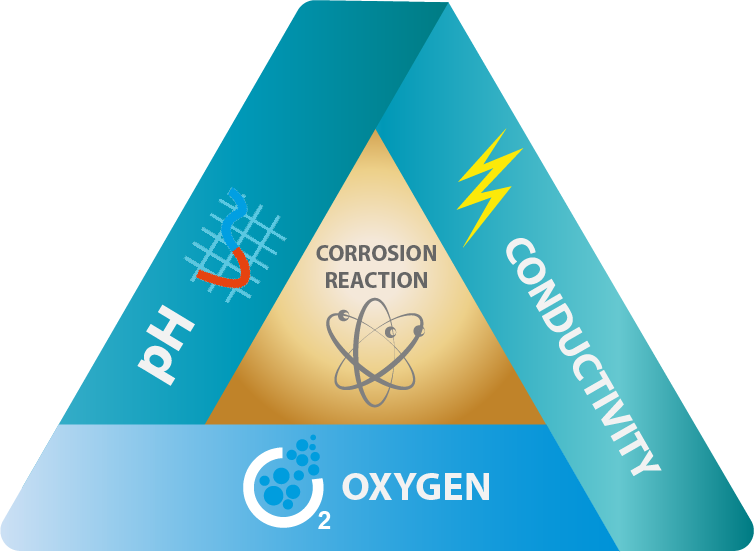
According to VDI 2035, three primary factors contribute to corrosion in heating systems:
Key Parameters for Corrosion Control:
- Dissolved Oxygen: The presence of oxygen in the system water can accelerate corrosion.
- High Conductivity: Water with elevated mineral and salt content can increase conductivity,
Fostering a Corrosive Environment. - Low pH: A pH level below the recommended range can promote corrosion.
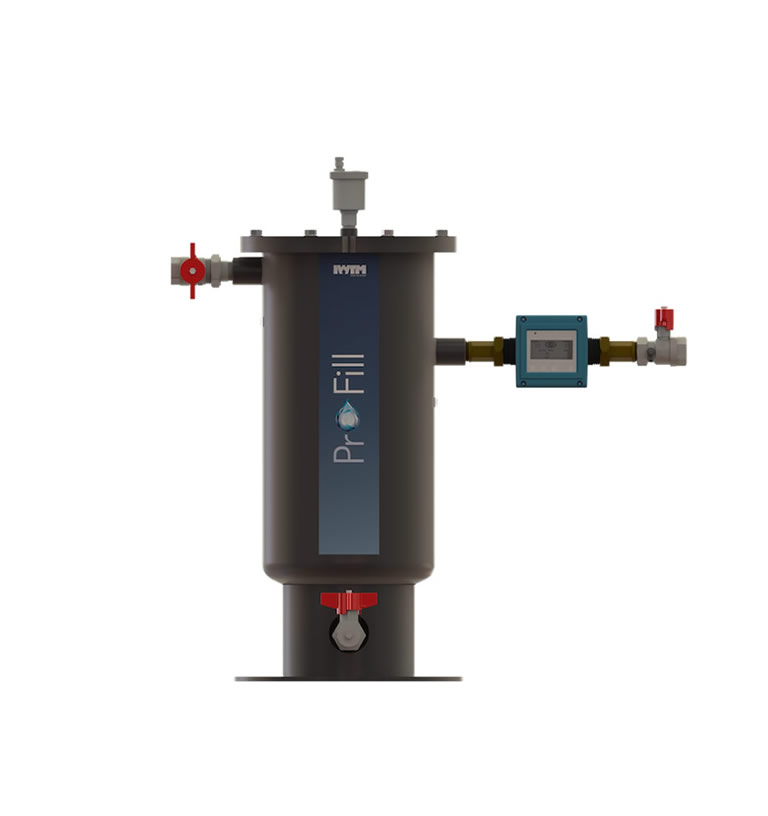
IWTM-UK, with its innovative product range, addresses these key factors and offers a comprehensive solution for maintaining system integrity and longevity.
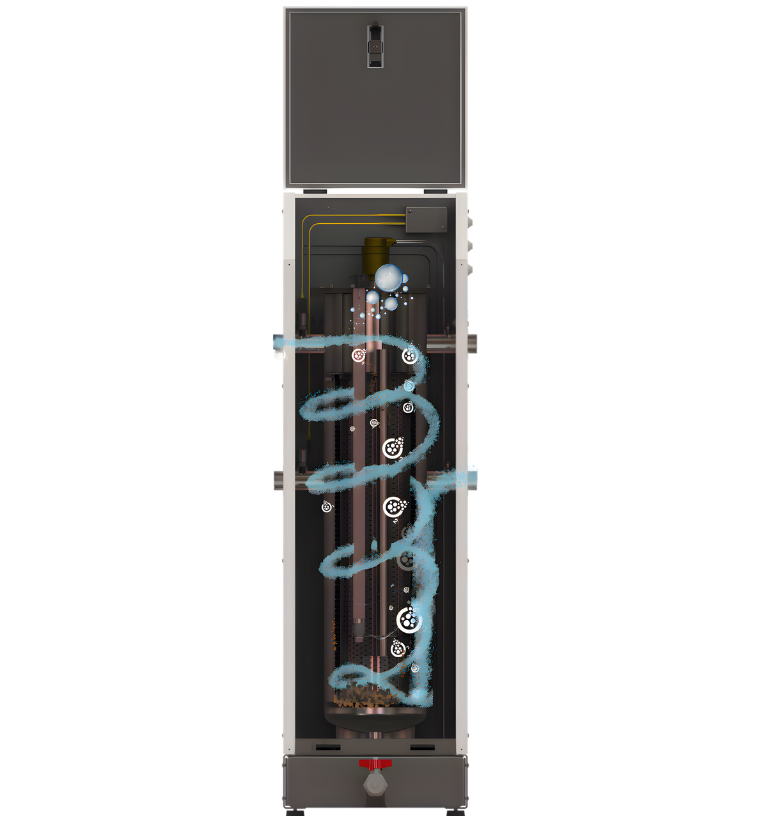
Through demineralisation, oxygen removal, and pH management, IWTM UK-ensures that heating systems operate efficiently and reliably, minimising the risk of costly repairs and replacements.
For further reading see our below summaries written by industry expert, leading voice and chemistry engineer Asrith Puttaganti.
Case studies
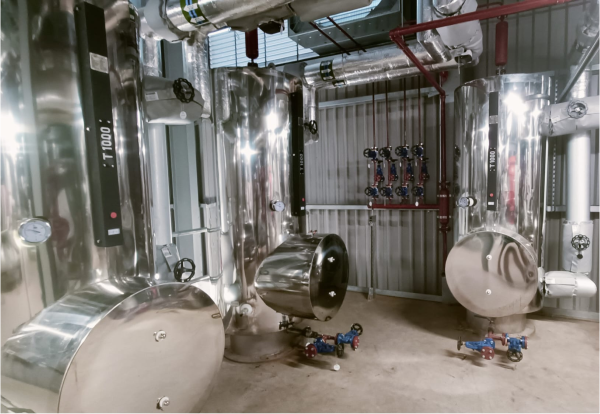
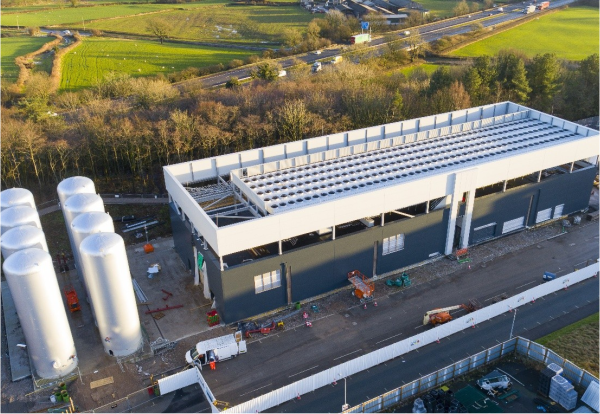
As IWTM's chemical free water treatment solution makes its impact across the world, we bring you some prestigious projects that have made the most of our innovative, renewable heating engineering. From private housing developments to large scale NHS Trust hospital wards and offices - IWTM has boosted ROI, safety and sustainability. You will find more details in the case studies on how asset owners and operators have benefited from our developers and the people who directly benefit from our reliable, chemical-free water heating solutions.
clean, prevent, protect
Contact us to discuss how our chemical-free water treatment solutions can deliver instant ROI